
高中英语非谓语动词——doing/to do/done的用法区别
非谓语动词是高中英语语法最大的难点之一。同一个动词有doing、to do、done三种非谓语形式,分别表示不同的含义和时态。
一、非谓语动词的三种形式及含义
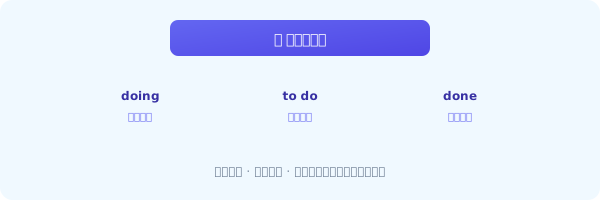
doing(现在分词/动名词):主动 · 正在进行
to do(不定式):目的 · 将来 · 具体
done(过去分词):被动 · 已经完成
判断使用哪种形式的方法:看动词与逻辑主语的关系(主动还是被动)和动作发生的时间(与谓语动词相比是同时、之前还是之后)。
二、作定语的区别
doing:表示主动或正在进行的动作。
the man standing there = the man who is standing there(正在那里站着的人)
to do:表示将要发生的动作。
the meeting to be held tomorrow = the meeting that will be held tomorrow(明天要开的会议)
done:表示被动或已经完成的动作。
the letter written yesterday = the letter that was written yesterday(昨天写的信)
三、作状语的区别
doing(现在分词作状语):表示主动、与谓语动词同时发生或伴随发生的动作。
Walking in the park, I met an old friend.(在公园散步时,我遇到了一位老朋友。——散步和遇到是同时的)
done(过去分词作状语):表示被动、已经完成的动作。
Given more time, I could do it better.(如果给我更多时间,我能做得更好。——我被给予时间)
to do(不定式作状语):表示目的或结果。
He came to borrow a book.(他来是为了借书。——目的)
四、宾语后接doing和to do的区别
有些动词后面只能接doing:enjoy, finish, avoid, mind, suggest, practice, consider等。
有些动词后面只能接to do:want, hope, wish, decide, plan, expect, afford, refuse等。
有些动词接doing和to do含义不同:
stop doing sth. 停止做某事(停下正在做的事) stop to do sth. 停下来去做某事(停下手中的事去做另一件事)remember doing sth. 记得做过某事(事情已经做了) remember to do sth. 记得要做某事(事情还没做)
forget doing sth. 忘记做过某事 forget to do sth. 忘记要做某事
评论 (0)
登录 后即可发表评论