
高中英语非谓语动词专项练习题含答案详解
非谓语动词是高中英语语法中的重点和难点,也是高考必考内容之一。本文系统梳理不定式、动名词、分词(现在分词和过去分词)的核心用法,并提供15道专项练习题及详细解析,帮助同学们彻底掌握非谓语动词。
非谓语动词概述
非谓语动词(Non-finite Verbs)是指在句子中不充当谓语的动词形式。与谓语动词不同,非谓语动词不受主语的人称和数的限制,不能独立作谓语,但可以承担主语、宾语、表语、定语、状语、补语等多种语法功能。
英语中的非谓语动词主要有三种形式:
- 不定式(Infinitive):to do / to be done / to have done
- 动名词(Gerund):doing / being done / having done
- 分词(Participle):现在分词 doing / 过去分词 done
非谓语动词仍然保留动词的特征:可以带自己的宾语和状语,有时态和语态的变化,有逻辑主语。
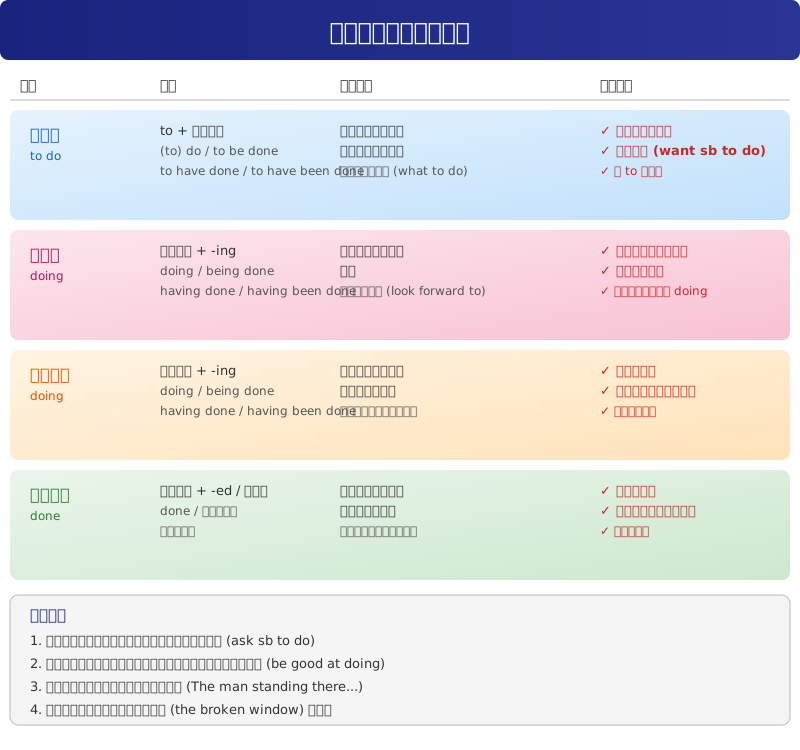
不定式(to do)
不定式由 “to + 动词原形” 构成,在句中可作主语、宾语、表语、定语、状语和补语。
1. 作主语
不定式作主语时,常用 it 作形式主语,将真正的主语后置。
- To learn a foreign language is not easy.
- It is important to master basic grammar.
2. 作宾语
常见接不定式作宾语的动词:want, hope, wish, decide, plan, agree, refuse, promise, manage, fail, pretend 等。
- I hope to see you again.
- He decided to give up smoking.
3. 作宾语补足语
常见接不定式作宾补的动词:ask, tell, want, wish, like, expect, allow, permit, force, warn 等。
- The teacher asked us to finish the homework on time.
- My parents want me to become a doctor.
注意:感官动词(see, hear, watch, notice, observe, feel, listen to, look at)和使役动词(make, let, have)后接不定式作宾补时,要省略 to。
- I saw him cross the street. (省略 to)
- She made me wait for two hours.
4. 作定语
不定式作定语常表示将来的动作,放在被修饰名词之后。
- I have a lot of work to do today.
- She was the first person to arrive at the meeting.
5. 作状语
不定式作状语表示目的、结果、原因等。
- He went to the library to borrow some books. (目的)
- She woke up to find herself alone. (结果)
- We were surprised to hear the news. (原因)
动名词(doing)
动名词的形式是 “动词原形 + -ing”,兼具名词和动词的特征。
1. 作主语
动名词作主语通常表示抽象的、一般的、习惯性的动作。有时也可以用 it 作形式主语。
- Reading aloud is very important in learning English.
- It is no use crying over spilt milk. (谚语)
2. 作宾语
只能接动名词作宾语的常见动词/短语:finish, enjoy, mind, avoid, suggest, consider, practice, admit, deny, escape, imagine, keep, miss, risk, can’t help, give up, insist on, look forward to, be used to, be fond of 等。
- Have you finished reading the book?
- I look forward to hearing from you.
3. 动名词与不定式作宾语的区别
| 动词 | + doing | + to do |
|---|---|---|
| forget | 忘记做过某事 | 忘记要去做某事 |
| remember | 记得做过某事 | 记得要去做某事 |
| stop | 停止做某事 | 停下来去做另一件事 |
| try | 尝试做某事 | 努力去做某事 |
| mean | 意味着做某事 | 打算做某事 |
| go on | 继续做同一件事 | 接着做另一件事 |
分词(现在分词 vs 过去分词)
分词包括现在分词(-ing形式)和过去分词(-ed形式或不规则变化),在句中作表语、定语、状语和补语。
现在分词 vs 过去分词的核心区别
| 比较维度 | 现在分词 (doing) | 过去分词 (done) |
|---|---|---|
| 语态关系 | 主动(与逻辑主语构成主谓关系) | 被动(与逻辑主语构成动宾关系) |
| 时间关系 | 表示正在进行或与谓语同时发生 | 表示已经完成或状态 |
| 例词 | exciting, interesting, surprising | excited, interested, surprised |
分词作表语
- The story is interesting. (现在分词 — 令人感兴趣的)
- I am interested in the story. (过去分词 — 感到感兴趣的)
- The door remained locked. (表示状态)
分词作定语
- a sleeping baby (= a baby who is sleeping, 主动进行)
- a broken window (= a window that was broken, 被动完成)
- the rising sun (正在升起的太阳)
- the fallen leaves (已经落下的叶子)
分词作状语
分词作状语可以表示时间、原因、条件、伴随、结果、方式和让步等。
- Hearing the news, she burst into tears. (时间/原因,主动)
- Seen from the top, the city looks magnificent. (条件,被动)
- He walked down the street, singing happily. (伴随)
- The boy fell off the bike, breaking his leg. (结果)
注意:分词作状语时,其逻辑主语通常与句子主语一致。当逻辑主语不一致时,需要使用独立主格结构。
- Weather permitting, we will go camping tomorrow. (独立主格)
- All things considered, it was a good trip.
非谓语动词作主语和宾语
作主语:不定式 vs 动名词
| 形式 | 特点 | 例句 |
|---|---|---|
| 不定式 | 具体某次动作、将来的动作 | To finish this task today is necessary. |
| 动名词 | 抽象概念、习惯性动作 | Swimming in the sea is great fun. |
作宾语:常考动词搭配
- 只能接不定式的动词:want, wish, hope, expect, decide, plan, refuse, fail, manage, promise, offer, pretend, afford, agree 等
- 只能接动名词的动词:finish, enjoy, mind, avoid, suggest, consider, practice, admit, deny, escape, imagine, keep, miss, risk, appreciate, delay, postpone 等
- 两者皆可但含义不同的动词:forget, remember, stop, try, mean, go on, regret 等(参见上表)
非谓语动词作定语和状语
作定语的区别
| 形式 | 语态 | 时间 | 例句 |
|---|---|---|---|
| 不定式 | 主动/被动 | 将来 | the meeting to be held tomorrow |
| 现在分词 | 主动 | 正在进行 | the boy playing basketball |
| 过去分词 | 被动 | 完成/状态 | the book written by Lu Xun |
| 动名词 | 主动 | 一般 | a swimming pool (= a pool for swimming) |
作状语的区别
- 不定式作状语:主要表示目的、结果、原因。目的状语常用 in order to, so as to;结果状语常用 only to (意料之外的结果)。
- 分词作状语:表示时间、原因、条件、伴随、结果、让步等。现在分词表主动进行,过去分词表被动完成。
综合练习
以下为15道非谓语动词专项练习题,涵盖高考常见考点。请先独立完成,再对照答案和解析。
一、单选题
1. ______ the project, they had to work overtime every day.
A. Completing B. To complete C. Having completed D. Completed
答案:B 解析:本题考查不定式作目的状语。句意为 “为了完成这个项目,他们不得不每天加班”,不定式 to complete 表示“为了完成”,表目的。A项现在分词表示主动伴随,C项完成式表示已经完成,D项过去分词表示被动,均不符合句意。
2. The manager demanded that the work ______ on time.
A. be finished B. to be finished C. finishing D. finished
答案:A 解析:本题考查虚拟语气和不定式的被动式。demand 后接 that 从句时用虚拟语气 (should) do,被动形式为 (should) be finished。若将 work 视为被要求“被完成”,也可用不定式被动式 to be finished,但此处 that 从句中谓语动词应为 be finished。选项 B to be finished 若理解为不定式作定语修饰 work,语法不通。
3. I still remember ______ to Beijing when I was a child.
A. taking B. to take C. being taken D. to be taken
答案:C 解析:remember doing sth. 表示“记得做过某事”,remember to do sth. 表示“记得要去做某事”。根据 “when I was a child” 可知是回忆小时候被带去北京的经历,应用被动形式 being taken。
4. The film ______ next week is about the life of a famous scientist.
A. released B. being released C. to be released D. having been released
答案:C 解析:不定式作定语表示将来的动作。“next week” 提示影片尚未上映,因此用 to be released 表示“即将在下周上映的”。A项过去分词表示已上映,B项表示正在上映,D项完成被动式表示已经上映,均与时间不符。
5. ______ from the top of the mountain, the lake looks like a mirror.
A. Seeing B. Seen C. To see D. Having seen
答案:B 解析:本题考查分词作状语的语态选择。句子主语 the lake 与 see 之间是被动关系(“湖被看到”),所以用过去分词 Seen。Seen from the top 相当于 When it is seen from the top。A项现在分词表主动,C项不定式表目的,D项完成式表主动且先于谓语发生,均不符合。
6. He tried to avoid ______ the same mistake again.
A. making B. to make C. having made D. made
答案:A 解析:avoid 后只能接动名词作宾语,即 avoid doing sth.。此处表示“避免犯同样的错误”,make 与 mistake 是动宾关系,用主动形式即可,无需完成式。
7. The teacher came into the classroom, ______ by a group of students.
A. following B. followed C. to follow D. having followed
答案:B 解析:分词作伴随状语。老师被一群学生跟着,follow 与主语 the teacher 之间是被动关系,所以用过去分词 followed。句意为“老师走进教室,身后跟着一群学生”。
8. ______ the truth, she felt very relieved.
A. Knowing B. Known C. To know D. Having known
答案:C 解析:不定式作原因状语。“知道了真相,她感到非常宽慰”。此处用不定式 to know 强调得知真相这一具体事件带来的情绪结果。现在分词 knowing 也可表示原因,但用不定式更侧重“得知”这一具体行为及其引发的情绪反应。在高考中,不定式常与 surprised, delighted, relieved, disappointed 等表示情感的形容词连用作原因状语。
9. The bridge ______ now will be completed next year.
A. built B. being built C. to be built D. having been built
答案:B 解析:现在分词的被动式作定语表示“正在被修建的”。“now” 提示正在修建,所以用 being built。A项表示已建成,C项表示将修建,D项表示已被建好且强调完成状态,均不符合时间状语。
10. I really appreciate ______ to your birthday party.
A. inviting B. being invited C. to be invited D. having invited
答案:B 解析:appreciate 后接动名词作宾语。“被邀请”应用被动形式 being invited。句意为“我很感激被邀请参加你的生日聚会”。
二、用所给词的正确形式填空
11. We are looking forward to ______ (receive) your reply.
答案:receiving 解析:look forward to 中的 to 是介词,后接动名词作宾语,故填 receiving。
12. The man ______ (stand) over there is our English teacher.
答案:standing 解析:现在分词作定语表示主动进行,相当于 who is standing。句意为“站在那边的那个人是我们的英语老师”。
13. ______ (Give) more time, we could have done it better.
答案:Given 解析:过去分词作条件状语,表示“如果被给予更多时间”。Given 相当于 If we had been given,注意句中的虚拟语气 could have done。
14. The little girl couldn’t help ______ (cry) when she saw her lost toy.
答案:crying 解析:can’t help doing sth. 表示“忍不住做某事”,固定搭配,故填 crying。
15. It is no use ______ (worry) about the exam results now.
答案:worrying 解析:It is no use doing sth. 是固定句型,意为“做某事没有用”,其中动名词作真正主语。故填 worrying。
参考答案速查
| 题号 | 答案 | 题号 | 答案 |
|---|---|---|---|
| 1 | B | 6 | A |
| 2 | A | 7 | B |
| 3 | C | 8 | C |
| 4 | C | 9 | B |
| 5 | B | 10 | B |
| 11 | receiving | 12 | standing |
| 13 | Given | 14 | crying |
| 15 | worrying | ||
评论 (0)
登录 后即可发表评论