
初中英语被动语态——结构与用法
被动语态是初中英语语法的重要考点。当主语是动作的承受者而非执行者时,使用被动语态。
一、被动语态的基本结构
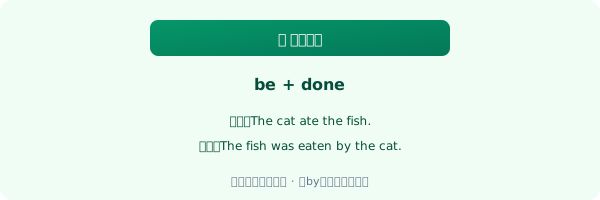
be + 及物动词的过去分词(done)
be动词要随着主语的人称、数和时态变化。被动语态中的by短语可以省略(当动作执行者不重要或不明时)。
二、各时态的被动语态
一般现在时:am/is/are + done English is spoken by many people.(很多人说英语。)一般过去时:was/were + done The bridge was built in 1990.(这座桥建于1990年。)
一般将来时:will be + done The work will be finished tomorrow.(明天完成工作。)
现在完成时:have/has been + done The letter has been sent.(信已经寄出了。)
情态动词:can/may/must + be + done This problem must be solved now.(这个问题必须马上解决。)
三、主动语态变被动语态的步骤
步骤:
- 把主动句的宾语变成被动句的主语
- 把主动句的谓语动词变成相应的被动结构(be+过去分词)
- 把主动句的主语变成by的宾语
例题:主动:The students cleaned the classroom.
变被动:The classroom was cleaned by the students.
四、主动形式表示被动含义
少数动词用主动形式表达被动含义:
- 表示"需要":"The book sells well."(这本书卖得好。)
- 表示"感觉":"This cloth feels soft."(这块布摸起来很软。)
- 在need/want/require之后用doing表示被动:"The car needs washing."(车需要洗了)= "The car needs to be washed."
评论 (0)
登录 后即可发表评论