
初中英语被动语态专项练习题含答案详解
被动语态(Passive Voice)是初中英语语法的重要考点,也是中考的必考内容。很多同学对“be + 过去分词”这个结构感到困惑,不知道什么时候用被动语态、不同时态的被动形式如何变化。本文从最基础的结构讲起,逐步深入到各时态变化、主动变被动规则、by短语用法以及特殊句型的被动表达,配合15道精选练习题和详细解析,帮助同学们彻底攻克被动语态这个难点。
一、被动语态结构基础
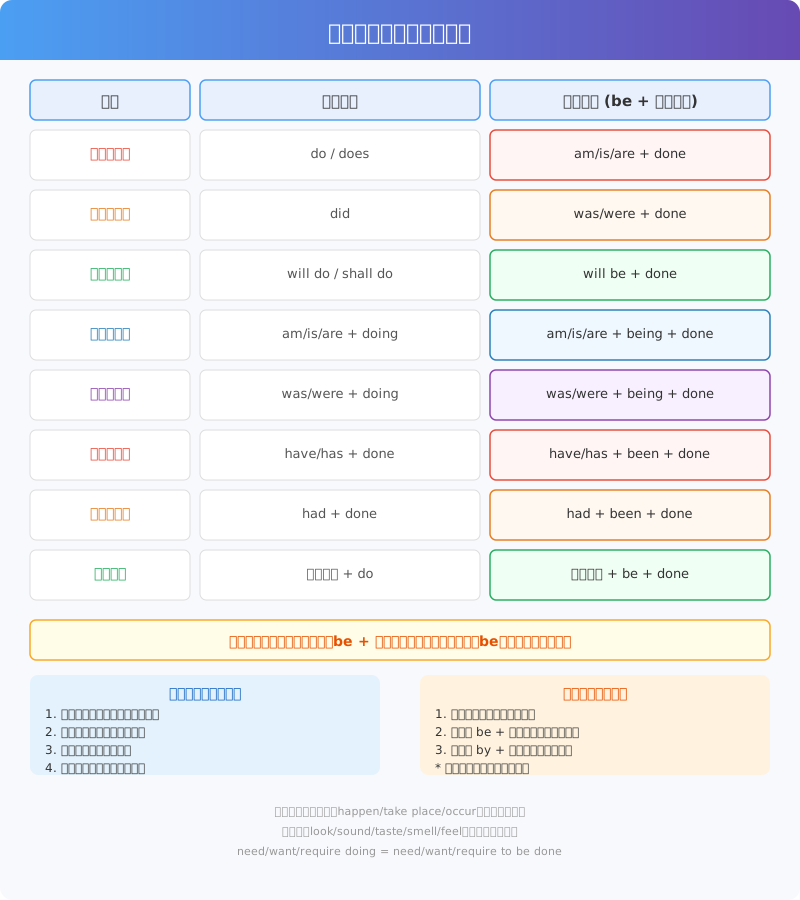
被动语态的核心结构是:主语 + be + 过去分词(done) + (by + 动作执行者)。当句子主语是动作的承受者而非执行者时,就需要使用被动语态。与中文“被”字句类似,英文通过改变动词形式来表达被动含义。
基本公式: be(随主语和时态变化) + 及物动词的过去分词
例如:
- The window is broken by the boy. (窗户被这个男孩打碎了。)
- English is spoken all over the world. (全世界都说英语。)
- The letter was written yesterday. (这封信是昨天写的。)
需要注意的是,只有及物动词(可以接宾语的动词)才有被动语态。不及物动词如happen(发生)、take place(发生)、appear(出现)、disappear(消失)等没有被动形式。
判断何时使用被动语态:
- 动作的执行者不明确或不必说明时:My bike was stolen.(我的自行车被偷了。)——不知道是谁偷的。
- 更关心动作的承受者而非执行者时:The patient was saved.(病人被救活了。)——关注的是病人而非医生。
- 为了表达更客观或妥婉:It is said that...(据说……)
- 科技文章或新闻报道中常用被动语态突出客观事实。
二、各时态被动语态
被动语态的时态变化完全由“be”这个助动词来体现,过去分词始终保持不变。记住:时态变化找be,分词永远不变形。
1. 一般现在时被动:am/is/are + done
- The classroom is cleaned every day. 教室每天被打扫。
- These books are kept in the library. 这些书被保存在图书馆里。
2. 一般过去时被动:was/were + done
- The bridge was built in 1990. 这座桥建于1990年。
- The trees were planted last spring. 这些树是去年春天种的。
3. 一般将来时被动:will be + done
- The meeting will be held next Monday. 会议将在下周一举行。
- The work will be finished soon. 这项工作很快就会完成。
4. 现在进行时被动:am/is/are + being + done
- The road is being repaired now. 这条路正在被修复。
- Dinner is being prepared in the kitchen. 晚餐正在厨房里准备。
5. 现在完成时被动:have/has + been + done
- The homework has been finished already. 作业已经完成了。
- Many new houses have been built in this area. 这个地区已经建了许多新房子。
6. 情态动词的被动:情态动词 + be + done
- The problem must be solved right away. 这个问题必须立即被解决。
- This book can be read by beginners. 这本书可以被初学者阅读。
三、主动变被动规则
将主动语态改为被动语态,可以遵循“三步法”:
第一步: 主动句的宾语变为被动句的主语(注意宾格变主格)。
第二步: 谓语动词变为 “be + 过去分词”,时态保持不变。
第三步: 主动句的主语变为 “by + 宾语”(主格变宾格),放在句末。如果主语是代词,注意格的变化。
示例1: They clean the classroom every day.
- 宾语the classroom变主语:The classroom
- clean(一般现在时)变 is cleaned(主语是单数)
- They变 by them
- 结果:The classroom is cleaned by them every day.
示例2: My mother bought a new computer yesterday.
- 宾语a new computer变主语:A new computer
- bought(一般过去时)变 was bought
- My mother变 by my mother
- 结果:A new computer was bought by my mother yesterday.
示例3: The students will finish the project next month.
- 宾语the project变主语:The project
- will finish(一般将来时)变 will be finished
- The students变 by the students
- 结果:The project will be finished by the students next month.
特殊注意: 如果主动句的宾语是that从句,常用it作形式主语。例如:People say that he is a genius. → It is said that he is a genius.
四、by短语和省略by
在被动语态中,by短语用来表明动作的执行者。但在很多情况下,by短语可以省略:
需要by短语的情况: 当需要强调动作是由谁执行的时候。
- This novel was written by Lu Xun. 这本小说是鲁迅写的。(强调作者)
- The cake was made by my grandmother. 这个蛋糕是我奶奶做的。(强调制作人)
省略by短语的情况:
- 动作执行者不明确或不重要: My wallet was stolen on the bus. 我的钱包在公交车上被偷了。(不知道是谁偷的)
- 动作执行者是泛指的人们: English is spoken in many countries. 很多国家说英语。(by people省略)
- 说话人更关注动作本身而非执行者: The meeting has been put off. 会议被推迟了。(不必说明是谁推迟的)
注意: by后面跟的是动作的执行者,而with后面跟的是使用的工具或材料。比较:
- The cake was made by my mother. 蛋糕是我妈妈做的。(执行者)
- The cake was made with eggs and flour. 蛋糕是用鸡蛋和面粉做的。(材料)
五、特殊句型被动表达
有些特殊句型在变为被动语态时需要特别注意:
1. 双宾语动词的被动
像give、show、send、teach、tell、buy等可以跟两个宾语的动词,变被动时有两种方式:
- 间接宾语(人)作主语:I was given a gift.(我被给了一份礼物。)
- 直接宾语(物)作主语:A gift was given to me.(一份礼物被给了我。)
示例:My father gave me a gift.
- I was given a gift by my father.
- A gift was given to me by my father.
2. 感官动词的被动
see/hear/watch/notice sb. do/doing sth. 变被动时,原来省略的to要恢复:
- We saw him enter the room. → He was seen to enter the room.
- I heard her singing in the next room. → She was heard singing in the next room.
3. 短语动词的被动
由“动词 + 介词/副词”构成的短语动词(如look after、take care of、hand in、turn on等)变为被动时,介词或副词不能省略:
- We should look after the old. → The old should be looked after.
- Please turn on the light. → The light should be turned on.
4. 含有不定式的被动
- There are many books to be read. 有很多书要读。
- The homework needs to be done carefully. 作业需要认真做。
5. 主动表被动的特殊情况
某些动词用主动形式表示被动含义:
- 系动词(look, sound, taste, smell, feel等):The cake tastes delicious.(蛋糕尝起来很美味。——主动表被动)
- need/want/require doing = need/want/require to be done:The room needs cleaning. = The room needs to be cleaned.
- 某些不及物动词(sell, write, wash, open等):This pen writes smoothly.(这支笔写起来很顺滑。)
六、综合练习(15题)
下面通过15道练习题来检验你对被动语态的掌握程度。每题都配有详细的答案解析。
第1题
The homework always ________ (do) by Tom on time.
答案: is done
解析: 本题考查一般现在时被动语态。主语The homework是单数形式,且是动作“do”(做)的承受者,因此用被动语态。标志词always表示经常性动作,使用一般现在时。be动词用is(主语单数),do的过去分词是done。句意:作业总是被Tom按时完成。
第2题
The bridge ________ (build) in 1990.
答案: was built
解析: 本题考查一般过去时被动语态。主语The bridge是动作build的承受者,时间状语in 1990表示过去,所以用一般过去时的被动语态was/were + done。主语the bridge是单数,be动词用was,build的过去分词是built。句意:这座桥建于1990年。
第3题
The sports meeting ________ (hold) next month.
答案: will be held
解析: 本题考查一般将来时被动语态。主语The sports meeting是hold(举行)的承受者,时间状语next month表示将来,用一般将来时被动will be + done。hold的过去分词是held。句意:运动会将在下个月举行。
第4题
Look! The road ________ (repair) by the workers now.
答案: is being repaired
解析: 本题考查现在进行时被动语态。The road是repair(修理)的承受者,标志词Look和now表示动作正在进行,用现在进行时的被动语态am/is/are + being + done。主语the road是单数,be动词用is,repair的过去分词是repaired。句意:看!这条路正在被工人们修复。
第5题
The work ________ (finish) already. You can go home now.
答案: has been finished
解析: 本题考查现在完成时被动语态。The work是finish的承受者,标志词already和“You can go home now”暗示工作已经完成,用现在完成时被动have/has + been + done。主语the work是单数(不可数),助动词用has,finish的过去分词是finished。句意:工作已经做完了,你现在可以回家了。
第6题
This book ________ (can read) by children.
答案: can be read
解析: 本题考查情态动词的被动语态。结构为“情态动词 + be + 过去分词”。主语This book是read的承受者,情态动词can后用be,read的过去分词仍然是read。句意:这本书可以被初学者阅读。
第7题
将主动句改为被动句:They clean the classroom every day.
答案: The classroom is cleaned by them every day.
解析: 按“三步法”变换:宾语the classroom变主语;动词clean(一般现在时)变为is cleaned(主语the classroom是单数);主语They变by them。注意代词主格they变为宾格them。句意:教室每天被他们打扫。
第8题
将主动句改为被动句:My mother bought a new computer yesterday.
答案: A new computer was bought by my mother yesterday.
解析: 宾语a new computer变主语;动词bought(一般过去时)变为was bought(a new computer是单数);主语My mother变by my mother。时间状语yesterday放在句末。句意:一台新电脑昨天被我妈妈买了。
第9题
The cake was made ________ my grandmother. (用适当的介词填空)
答案: by
解析: 本题考查被动语态中by的用法。by用来引出动作的执行者。my grandmother是制作蛋糕的执行者,所以用by。注意比较:The cake was made with eggs and flour. 中的with表示材料。句意:这个蛋糕是我奶奶做的。
第10题
Chinese ________ (speak) in China. (判断是否需要by短语)
答案: is spoken
解析: 本题考查一般现在时被动语态及by短语的省略。Chinese是动作speak的承受者,用被动语态。动作的执行者是“中国人”(泛指),不必说明,因此省略by people。主语Chinese被视为单数,be动词用is,speak的过去分词是spoken。句意:在中国说中文。
第11题
My father gave me a gift. (改为被动语态,以I作主语)
答案: I was given a gift by my father.
解析: 本题考查双宾语动词的被动结构。give接双宾语:间接宾语me(人)和直接宾语a gift(物)。当间接宾语作主语时,用被动结构“人 + was/were + given + 直接宾语 + by...”。me变主格I,be动词用was。句意:我被我的爸爸给了一份礼物。
第12题
We saw him enter the room. (改为被动语态)
答案: He was seen to enter the room.
解析: 本题考查感官动词的被动结构。主动语态中see sb. do sth.(看见某人做了某事),变被动时原来的省略to的不定式要恢复to,即sb. + be seen to do sth.。him变主格He,see的过去分词是seen。句意:他被看见进入了房间。
第13题
The old should ________ (look after) well.
答案: be looked after
解析: 本题考查短语动词的被动语态。look after是“动词+介词”型短语动词,变被动时介词after不能省略。结构为“情态动词should + be + 过去分词”,look的过去分词是looked。句意:老人应该被好好照顾。
第14题
The room needs ________ (clean). (用两种方式表达)
答案: cleaning / to be cleaned
解析: 本题考查主动表被动的特殊用法。在need/want/require之后,doing形式主动表被动,等于to be done。即The room needs cleaning = The room needs to be cleaned。两种表达都对,意思相同:这个房间需要被打扫。
第15题
________ the classroom ________ (clean) by the students every day? (改为一般疑问句)
答案: Is; cleaned
解析: 被动语态变一般疑问句时,将be动词提到主语之前。原陈述句为The classroom is cleaned by the students every day.,变疑问句时把is提前,构成Is the classroom cleaned...?句意:教室每天都被学生们打扫吗?注意:一般疑问句的be动词用原形is(主语the classroom是单数),过去分词cleaned不变。
通过以上15道练习题的训练,相信大家对被动语态已经有了更深入的理解。下面总结几个关键点:
- 核心结构: be + 过去分词(done),时态体现在be上
- 主动变被动三步法: 宾语变主语 → 动词变be+done → 主语变by+宾格
- by短语: 需要强调执行者时用by;泛泛而谈时省略by
- 特殊句型: 双宾语、感官动词、短语动词的被动要特别注意
- 主动表被动: 系动词、need doing、某些不及物动词的特殊用法
多做练习,多读例句,被动语态就能熟练掌握!

评论 (0)
登录 后即可发表评论